
Our X-ray Device in Space
Proven reliability in a severe space environment
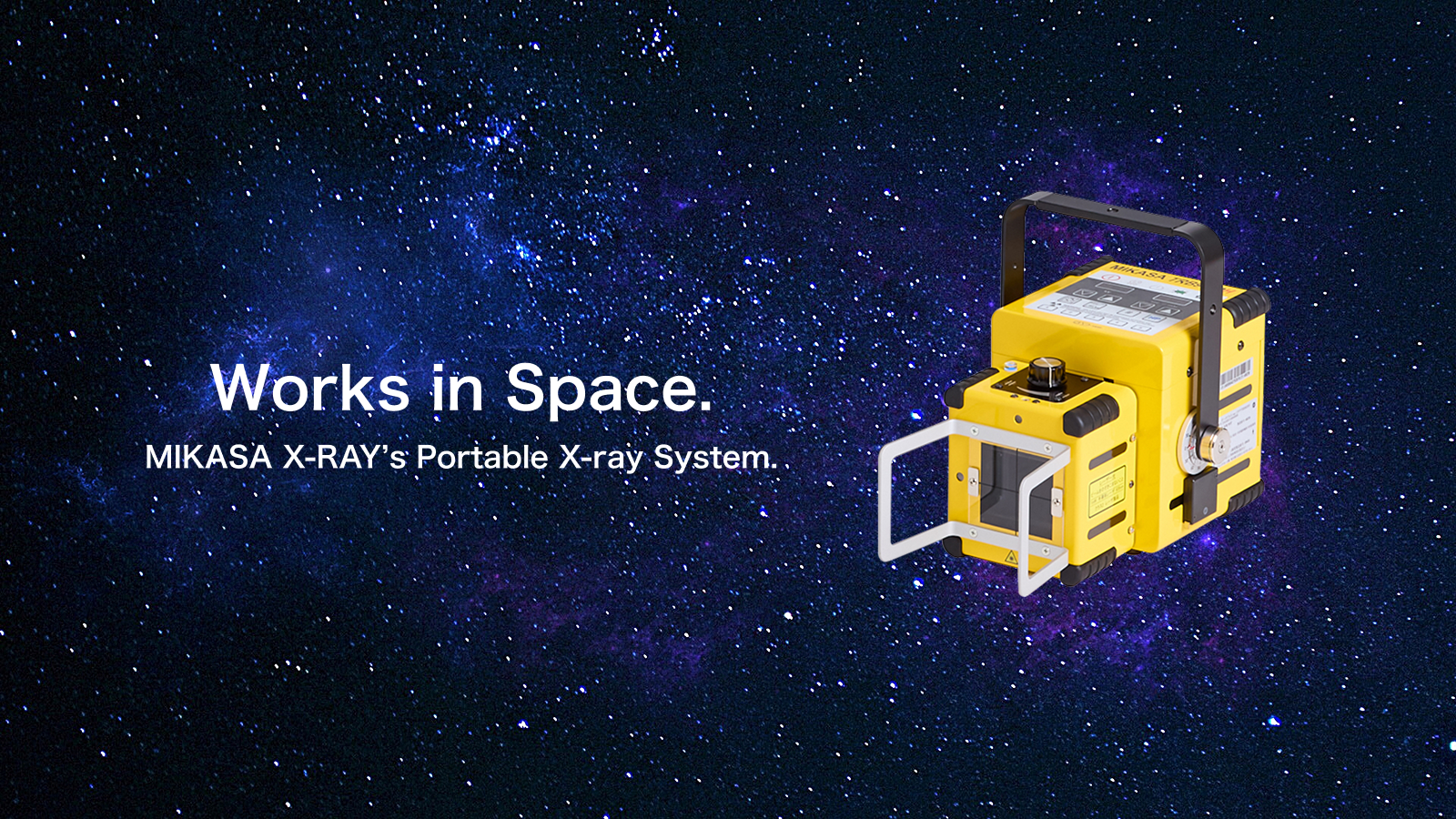
First X-ray Imaging in Space
After completing our Everest challenge, we set our next destination beyond Earth. To expand the possibilities of diagnostic medicine, we began technical validation in space. The first step was confirming that the system operates safely and reliably in microgravity.
Testing in Microgravity
In 2023, we had the opportunity to test our portable X-ray system in a real microgravity environment. We evaluated not only operational performance, but also astronaut safety, usability, and imaging workflow suitability in space. The test was successful and became a key milestone toward full operation in orbit.
Commercial Spacecraft Mission
The next stage was to use the system in actual outer space. In 2025, our X-ray equipment was loaded onto a commercial spacecraft mission, and four astronauts performed the first-ever X-ray imaging in space. It was a symbolic moment in which over a century of X-ray technology expanded beyond Earth.
A Standard Commercial Model in Space
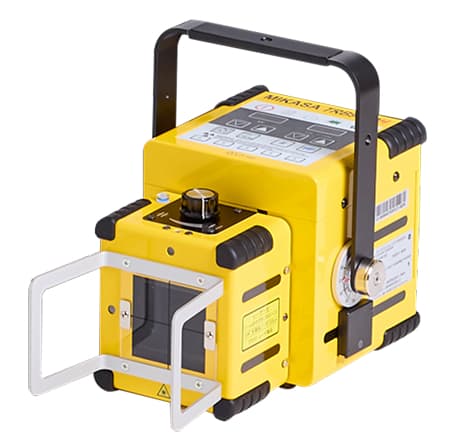
One important point: the device used in space was not a special custom model. It was exactly the same commercial unit we provide for use on Earth, with no special modifications. This demonstrates the core performance and reliability of our portable X-ray systems.
Why TRB9020H Was Selected
Among several candidate systems for this mission, TRB9020H was selected for several reasons.
1. Spectrum Imaging Capability
TRB9020H supports spectrum imaging using two energy levels on digital panels. This enables additional information beyond standard DR imaging and supports specialized applications such as bone density evaluation.
2. Excellent Output-to-Weight Balance
It provides strong output performance (kV and mA) while keeping total weight low. In spacecraft operations with limited resources, this balance is a critical selection factor.
3. Battery Performance for 250-300 Images Without Recharging
Batteries cannot be recharged onboard the spacecraft, so the system needed high shooting capacity after pre-launch charging. TRB9020H can capture approximately 250 to 300 images, fully meeting this requirement.
What Comes Next
Following this success, the next steps are already underway.
- Detailed analysis of mission data
- Six-month deployment on the International Space Station (ISS)
- Participation in a planned Mars mission in 2032
Our goal is not only to operate systems in space. Through this effort, we aim to show that high-quality diagnostic care can reach underserved regions on Earth as well. Technology that works in space can work anywhere on Earth, and we will continue this challenge with that belief.
TRB9020H